
"We generate $600 in revenue for every 1 ton of CO₂ captured directly from the air."
GO TO "Generate revenue"
GO TO "Generate revenue"
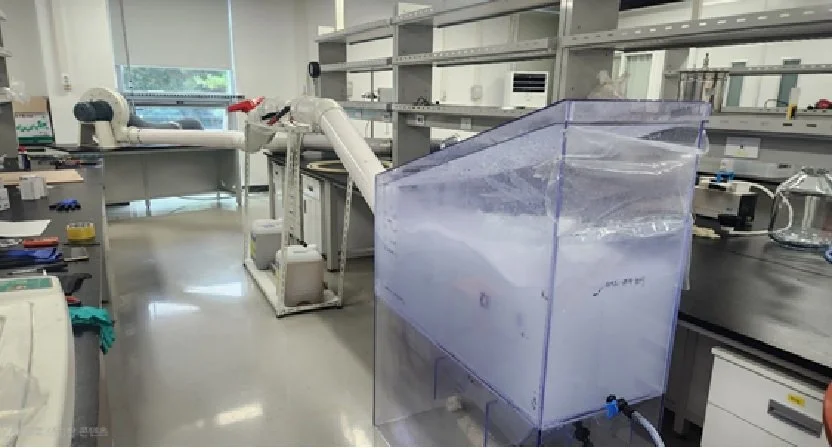
Click the image to watch the experiment video on YouTube
"We generate $600 in revenue for every 1 ton of CO₂ captured directly from the air."
"A single diffuser disc captures 15.85g of atmospheric CO₂ per hour."
"It takes 2,384 kWh to capture 1 ton of CO₂ from the air."
"Sustainable DAC utilizing Slaked Lime upcycled from Oyster Shell waste"
[ Ca(OH)2 + CO2 -> CaCO3 + H20 ]
(1) Development of Catalyst Solution: GMC Base Solution
Confirmed a yield increase of over two-fold with the introduction of the GMC base solution during TRL 1-2 stages.
This significantly facilitates the process by creating an environment where HCO₃⁻ is dominant over CO₃²⁻, even under target high alkaline conditions (pH ≥ 10.33).
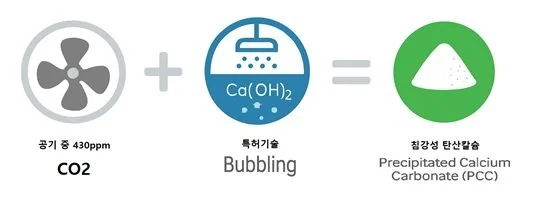
(2) Development of "DAC-Dedicated Diffuser" (0.1㎡ size)
Achieved a 20-fold increase in airflow capacity compared to existing products.
Maintained internal resistance pressure at 0 ≤ 20mmAq.
Successfully achieved a reaction depth of 170mm using a blower fan with 200mmAq output.
(3) 7,200 diffusers can capture 1,000 tons of CO₂ per year. Just 900 square meters needed
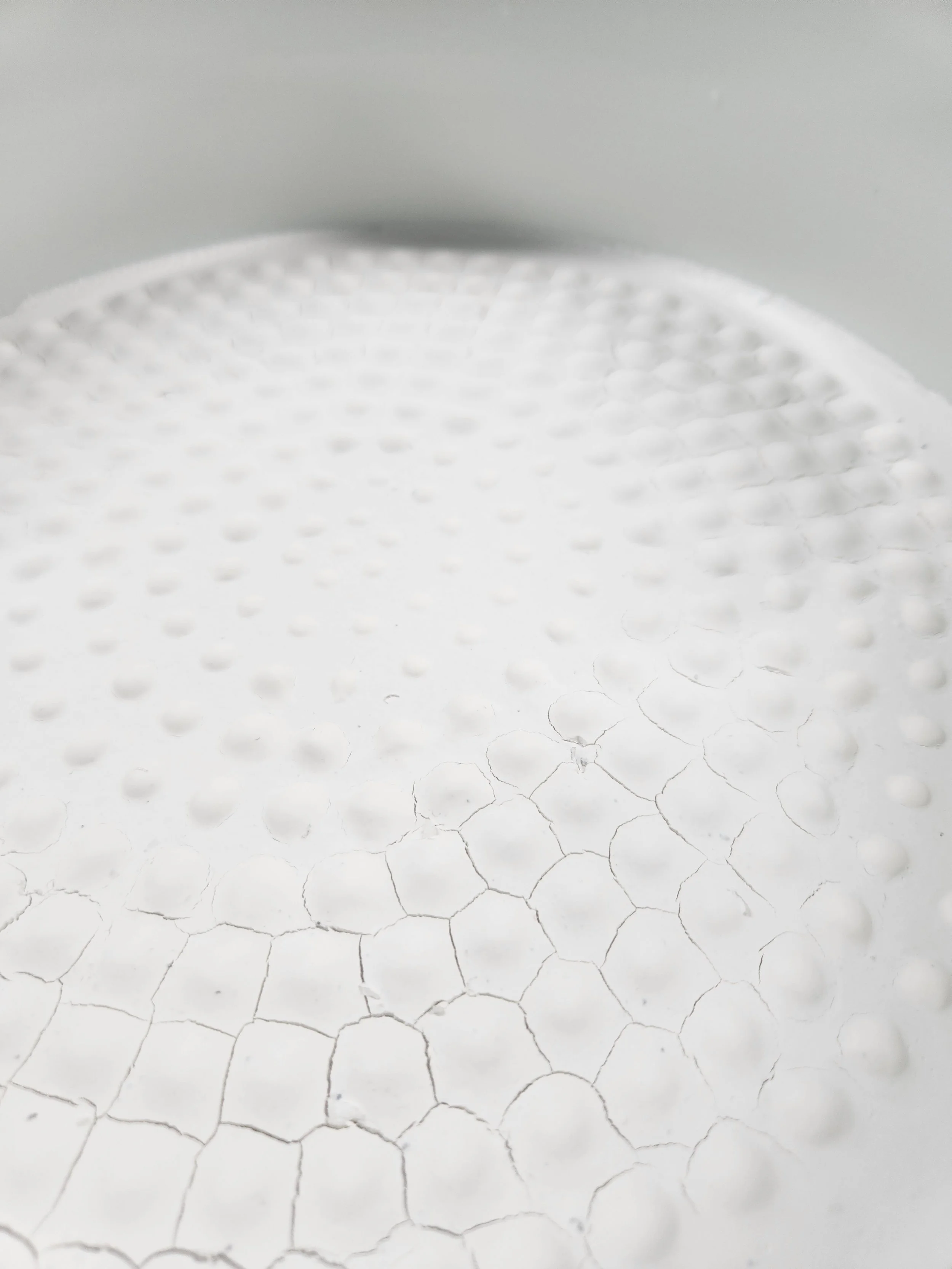
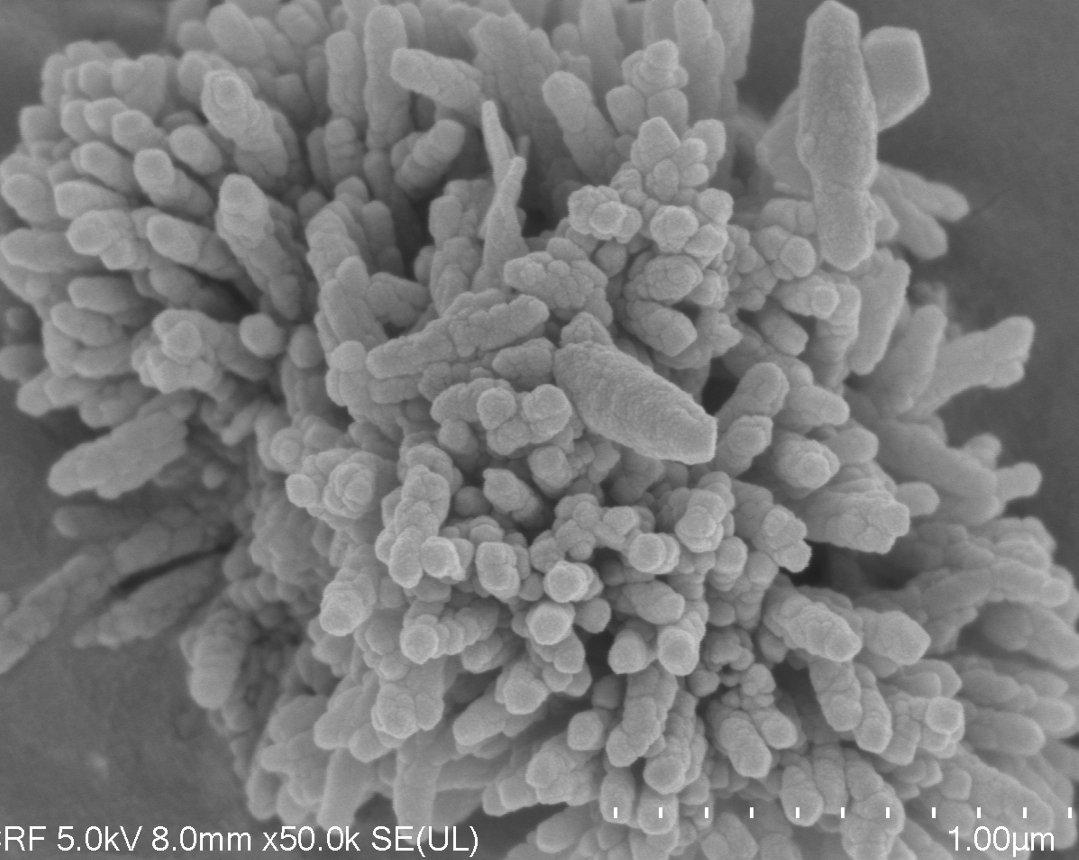
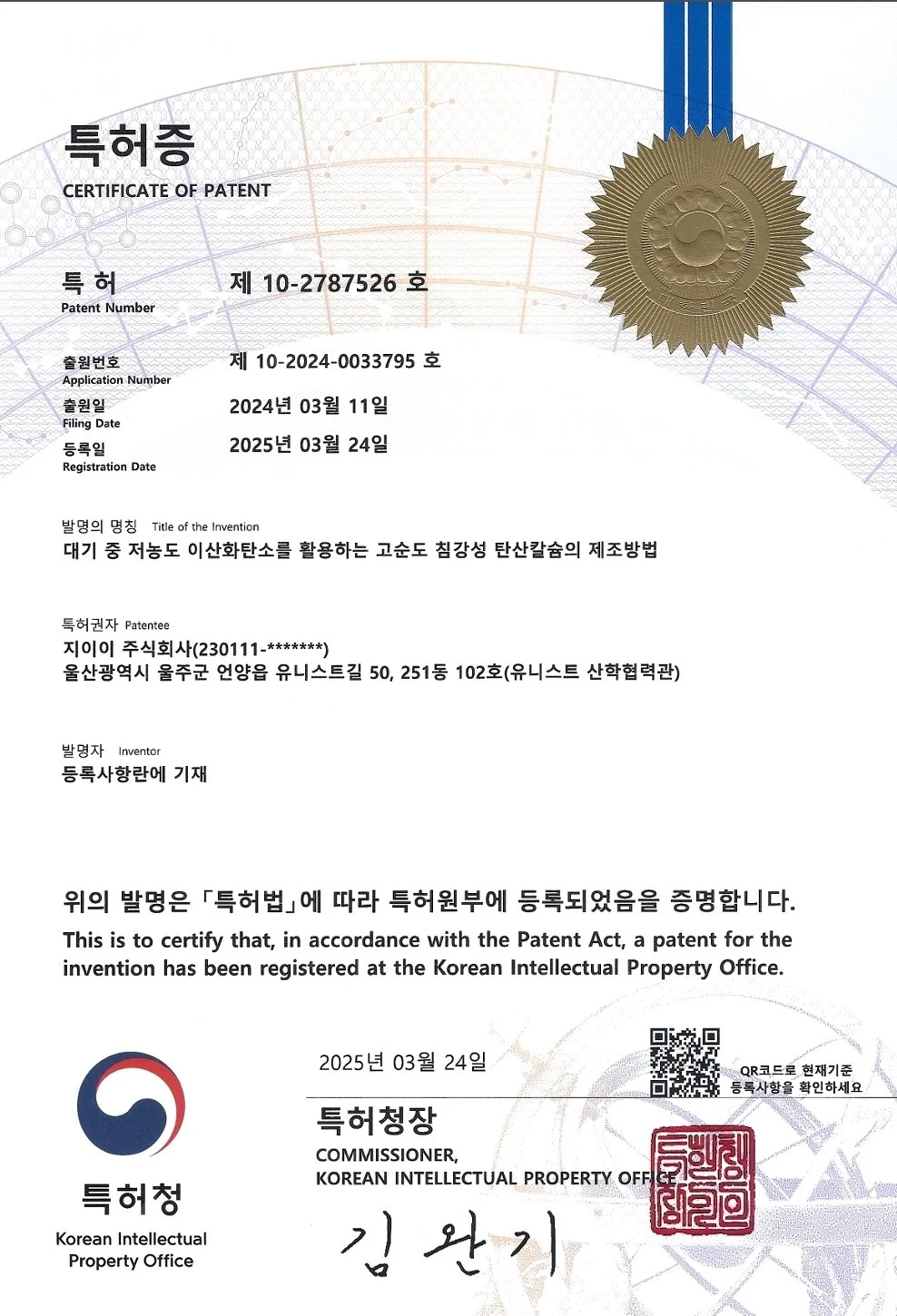
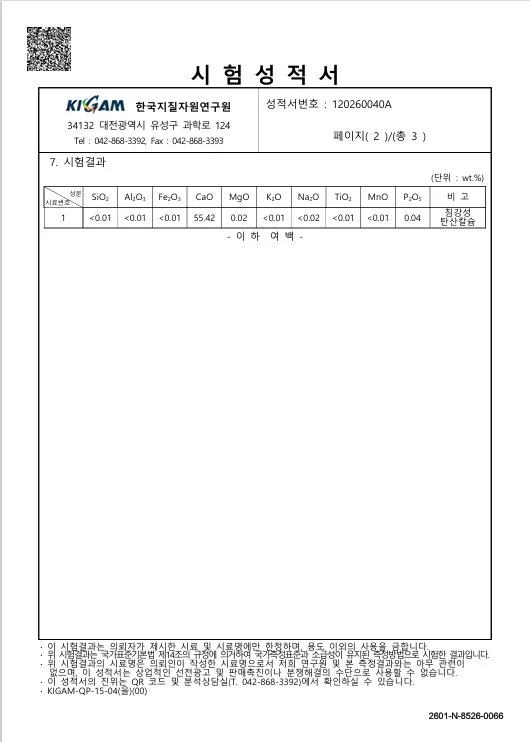
Aragonite Precipitated Calcium Carbonate
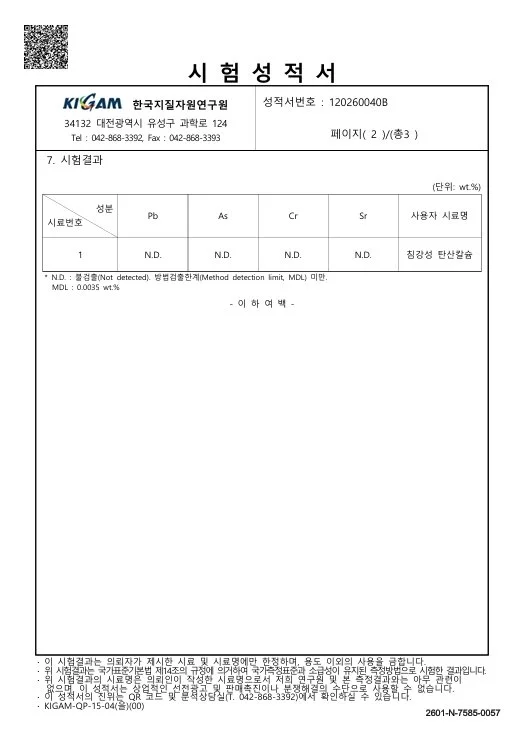
"Transforming oyster shells and atmospheric CO₂ into heavy metal-free, 99% pure cosmetic and pharmaceutical grade materials.
Korea Institute of Geoscience and Mineral Resources (KIGAM)
Test Report No. 120260040B
Contact Us
Interested in working together? Fill out some info and we will be in touch shortly. We can’t wait to hear from you!